 I’ve gotten the news in the past few weeks that a handful of my younger (much younger!!) pastoral colleagues are moving from their calls as associate pastors in a multi-staff setting to head of staff. The news brought to mind my own similar move 22 years ago. It also got me to thinking: in the intervening years, what are the most important lessons I’ve learned about cultivating a healthy and productive staff team?
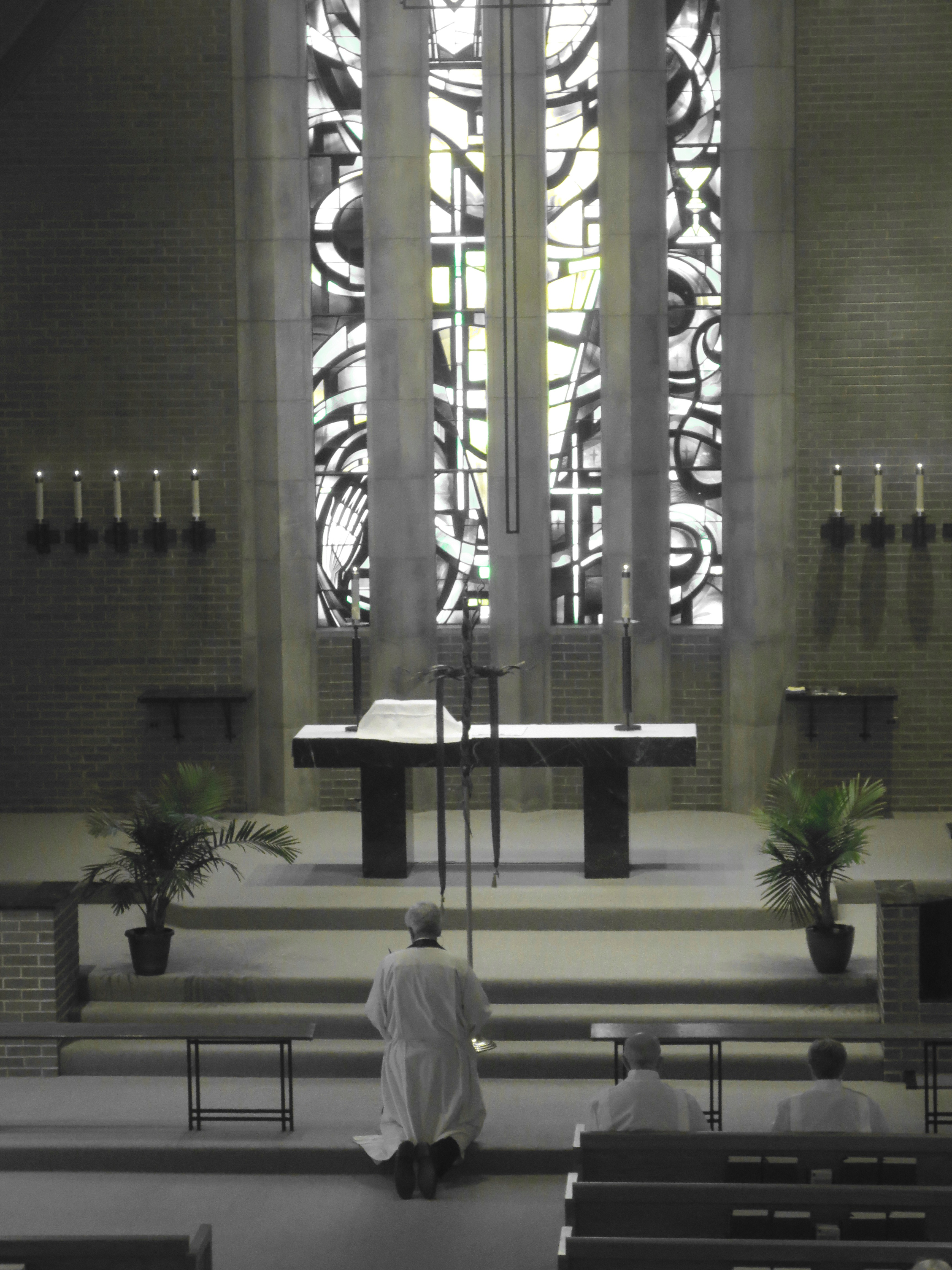
1. Pray together. Worship is at the heart of what we do as God’s people. At God’s invitation, we gather each week in the Sunday assembly to receive God’s gifts and to be sent into the world to live as God’s people and to be a part of God’s mission. But Sunday is not the only time for worship. Throughout the centuries, local assemblies have gathered for daily prayer, hearing the word, singing, and praying, keeping the cycle of prayer going around the world as the earth rotates in its 24 hour cycle. As a staff, we are a part of that ongoing rotation of prayer. Once a day, Monday through Thursday, everyone in the building gathers for a 15 minute service in which we sing, listen to the Word, share a reflection, and pray. Sometimes members of the congregation join us — we publicize daily prayer on our weekly calendar — but mostly it’s just members of the staff. In addition to being a part of the the larger church in our calling to prayer, praying together daily is a powerful means to staff cohesiveness. It’s hard to stay in conflict with the ones with whom we gather each day in prayer.
2. Meet together. There’s no substitute for meeting together. We meet together once a week. Every paid employee is attends our staff meeting. All church work is relational work, and to be in relationship, there must be time together.
Staff meetings are about more than just business. Years ago, I learned from a great mentor, Les Stroh, a model that comes from the world of organizational behavior; it’s known as the Task Team Development model. Teams that are high functioning in terms of their task get that way because they also pay attention to the relational aspect of their team. Often work groups focus only on task, never achieving a high function because they never develop relationships of trust. Other groups only pay attention to their relationship and they never get anything done; they are essentially lifestyle groups of people who hold similar interests. The Task Team Development model suggests that working teams that pay attention to developing relationships of trust will become high functioning teams with regard to task.
To that end, our staff meetings always include an element of conversation that invites us to share something about ourselves apart from our work. We have a question for conversation in which each member of the staff is invited to share. Some examples: talk about a Christmas tradition from your childhood. Talk about a book or movie that you read or saw recently and what you liked about it. One of the most popular is the kindergarten game of show and tell. Each person brings something from home that is significant to them, tells the rest of us about it, and why it is significant. In addition to this relational time at the beginning of our meeting, every week’s agenda includes “Ministry Stories,” a time when we encourage staff to tell the times and places where they saw God at work in our ministry in the past week. Oh, and leadership of the staff meeting rotates each week. Everyone gets to practice being a leader.
3. Read and study together. It’s important for pastors to continue to grow intellectually and vocationally. And I think it’s important for pastors to model that virtue for the congregation and for the staff. To that end, our staff reads together and talks about what we have read. Think in terms of a staff book club. I usually choose the book, though I have used suggestions from staff members. We meet every three weeks or so. We have shared the task of leading the discussion. Sometimes it’s a book of pretty serious theology — we’re just finishing Walter Brueggemann’s The Prophetic Imagination; a few years ago, we read one of Chip and Dan Heath’s books. The point is, it may or may not be anything directly connected to theology; it is always something that we can grow together with.
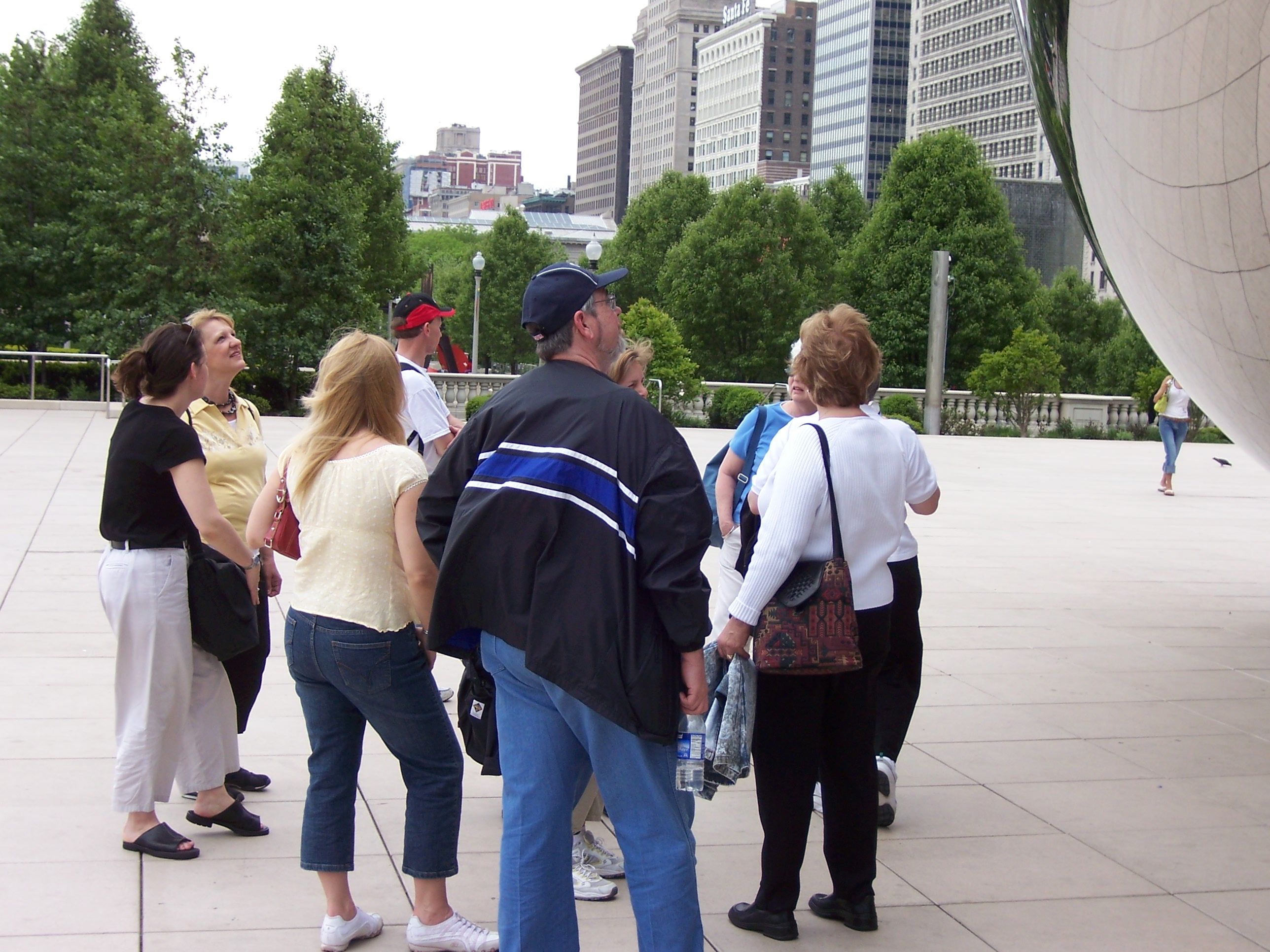
4. Have fun together. There’s just something irreplaceable about laughing and let our hair down together. Twice a year, we have day-long staff retreats. One is some kind of serious continuing education thing. And one is just plain fun. One of the best was the year we went to the Field Museum in downtown Chicago. It’s one of the premier natural history museums in the country. But instead of just walking around the museum, I formed the staff into two teams and asked them to come up with a story, using themselves as the characters, based on what they saw in the exhibits. Imagine “Night at the Museum,” but the characters are people you know and work with. Over lunch, we shared our stories and howled with laughter. We have taken architectural tours of downtown Chicago, rode through the city on a 50 year old fire truck, and drove to Springfield to experience the Lincoln Museum together. The staff that plays together stays together.
5. Break bread together. A long-standing tradition in the congregation I serve is for the staff to go out to a local restaurant once a week and have lunch together. It’s always dutch treat, except when we’re celebrating a birthday. When it’s someone’s birthday week, they do not pay for their lunch and the rest of us split the bill equally. There’s never any requirement that anyone does this, but over the years, every staff member makes it a priority to be a part of this weekly gathering to break bread together away from the work place.
Two other things: don’t neglect the secretaries and custodians. The secretaries and custodians are essential to a fruitful ministry. Someone once said that God is in the details; these are the people who take care of the details. They typically hold an immense amount of institutional memory, and are often the first contact that members and folks from the community make with the church. You need their expertise and you need them to be on your side. While they may not be seminary trained or in some cases even college trained, they have an incredible storehouse of practical wisdom that will contribute immensely to good ministry. Pay attention to them.
Say thank you. In every way you can, say thank you. Write notes; compliment your staff to members of the parish; acknowledge them publicly. When they do something good, tell them specifically. In fact, we’ve institutionalized this public recognition in our staff meetings. The very last item on every staff meeting agenda is an item we call “Blessings.” It gives everyone a chance to publicly recognize the good work that someone else on the staff has done in the past week. And it’s a great way to end a meeting.
What have you discovered that contributes to the well-being and productivity of your staff?


 James K. Honig